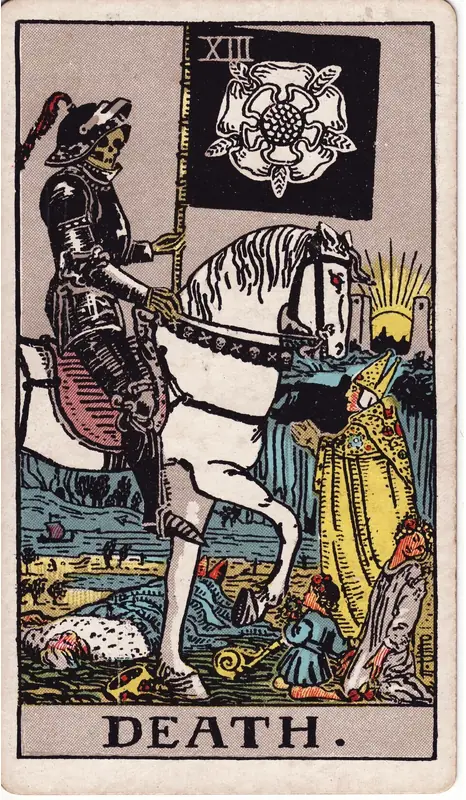
On the Rider-Waite-Smith card, a skeleton in black armor rides slowly across the land carrying a black flag with a white rose. People lie in its path, but look past them: on the horizon, between two towers, the sun is rising. A small river runs through the scene, and a boat drifts on it. For all its grim reputation, the card is full of quiet signs of new life, the rose, the dawn, the moving water.
That's Death. Numbered thirteen, it's the deck's great card of transformation, and it's badly misunderstood. It almost never means physical death. It means an ending that clears the ground for a beginning, the close of one chapter so the next can open. When this card appears, something is completing so that something truer can take its place. The message is change, not tragedy.
At a glance
The core facts on Death are below, then unpacked in the sections that follow. And to answer the question everyone asks first: this card is about endings and renewal, not literal death.
- Arcana
- Major Arcana
- Number
- 13
- Element
- Water
- Astrology
- Scorpio
- Upright
- transformation, endings, renewal, transition
- Reversed
- resistance to change, stagnation, fear of endings, holding on
Something needs to end before anything new can begin, so the answer is no for now.
Death upright meaning
Upright, Death marks a genuine ending, and that's exactly the point. Something in your life has run its course, and it's time to let it close so that something better can begin. This is the deck's clearest card of transformation: it clears away what no longer fits, making room for renewal. The old chapter ends, and a fresh one opens in the space it leaves.
Endings can be uncomfortable, and this card doesn't pretend otherwise. But it frames the change as necessary and, ultimately, freeing. Whatever is ending was likely already over in some real sense; Death simply names it and moves it along. The invitation is to let go with some grace rather than clinging, and to trust that the clearing makes way for growth. What feels like loss now is usually the doorway to your next beginning. It helps to remember what the card actually pictures: not just a figure lying down, but a sun rising on the horizon behind. Every ending in the Death card is paired with a dawn. Endings are rarely comfortable, but they're how life makes room, closing a chapter you've outgrown so the next, truer one has somewhere to begin.
Death reversed meaning
Reversed, Death usually means you're resisting a change that's trying to happen. You can feel that something needs to end, but you're holding tight to it anyway, dragging out a phase, a habit, or a situation past its natural close. The card reversed points to that stuck feeling, the transformation stalled midway because fear of the transition is stronger than the pull toward what's next.
The gentle message here is that the change you're avoiding is usually a relief once you allow it. Holding on to what's already over costs more energy than letting it go. Reversed Death asks you to loosen your grip, name what's actually finished, and stop forcing life into a shape it's outgrown. The renewal you're afraid of is the thing that will finally let you breathe again. The sooner you allow the ending, the sooner the fresh start arrives.
Love, career & money
In love, upright Death often means a relationship is transforming into a new phase, or that releasing an old pattern makes space for something truer. It can mark the honest close of something that had stopped working. Reversed, clinging to a dynamic that's run its course is keeping you stuck; allowing the change you fear tends to bring relief.
In career, this card usually signals one door closing, which frees you for a meaningful new beginning, a role ending, a pivot, a reinvention. Embrace it rather than bracing against it. Reversed, you may be resisting an inevitable shift; the sooner you accept it, the sooner things improve.
Around money, upright Death can mark the end of one financial chapter and the start of another, closing an old arrangement to make room for a better setup. Reversed, it can flag clinging to a money habit that no longer serves you. This is reflection for entertainment, not financial advice.
Death FAQ
Does the Death card mean someone will die?
No. Despite the name, the Death card almost never points to physical death. It stands for transformation, the ending of one chapter so a new one can begin. Think a job, a phase, or an old pattern closing, not a literal loss of life.
Is the Death card a bad card?
No, though it's the most feared card in the deck. Death is about necessary endings and the renewal that follows them. It can be uncomfortable, but it clears away what no longer fits to make room for something better.
Pull a free 3-card tarot reading to see how Death speaks to your own question, then explore related cards: The Tower, The Hanged Man and Judgement.
All 22 Major Arcana cards
-
 The Fool
0
The Fool
0
-
 The Magician
1
The Magician
1
-
 The High Priestess
2
The High Priestess
2
-
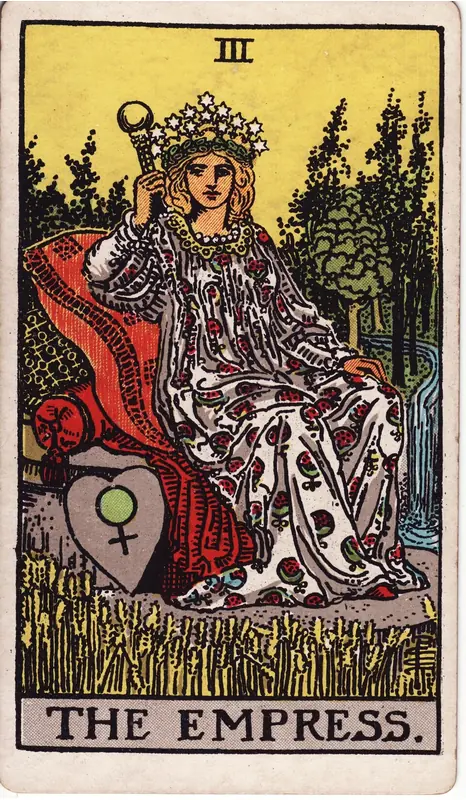 The Empress
3
The Empress
3
-
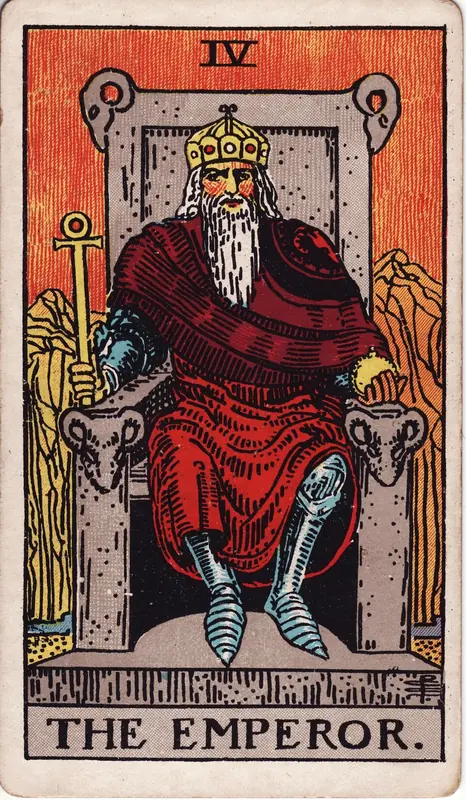 The Emperor
4
The Emperor
4
-
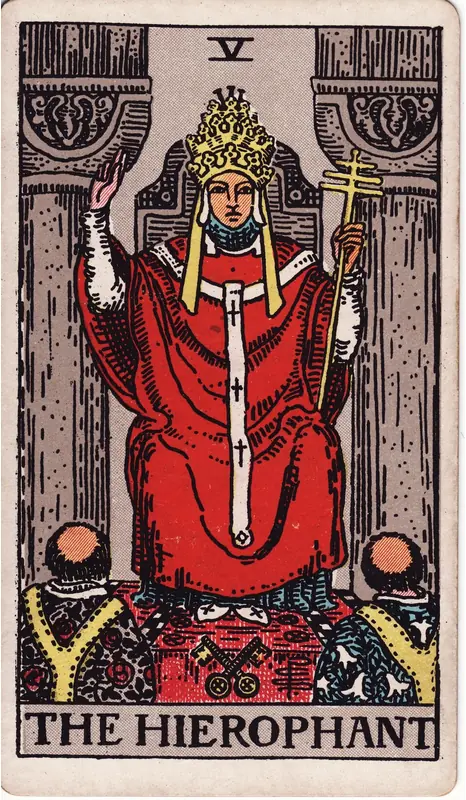 The Hierophant
5
The Hierophant
5
-
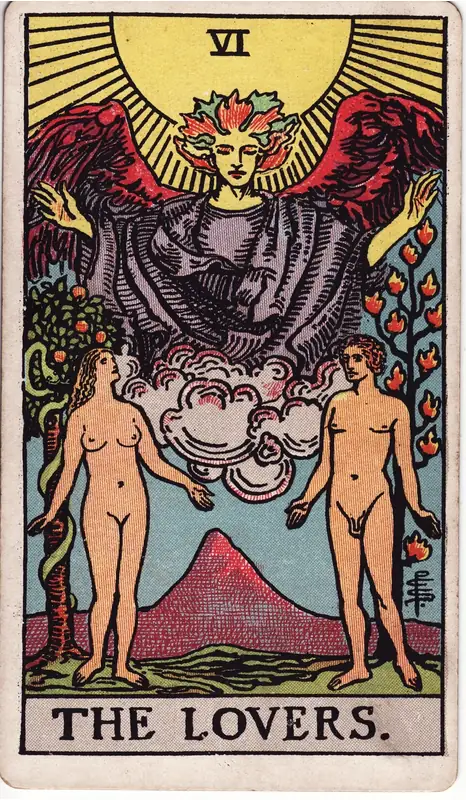 The Lovers
6
The Lovers
6
-
 The Chariot
7
The Chariot
7
-
 Strength
8
Strength
8
-
 The Hermit
9
The Hermit
9
-
 Wheel of Fortune
10
Wheel of Fortune
10
-
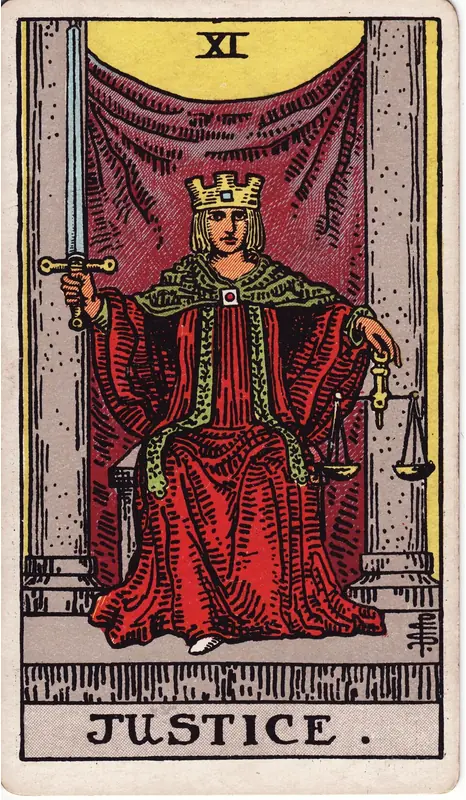 Justice
11
Justice
11
-
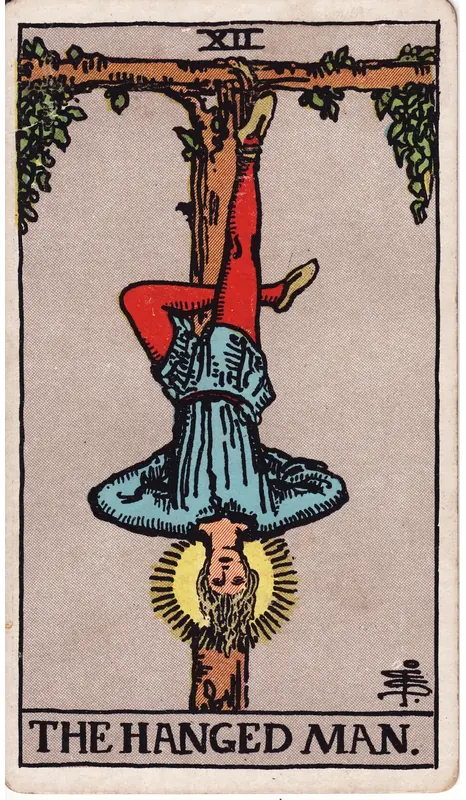 The Hanged Man
12
The Hanged Man
12
-
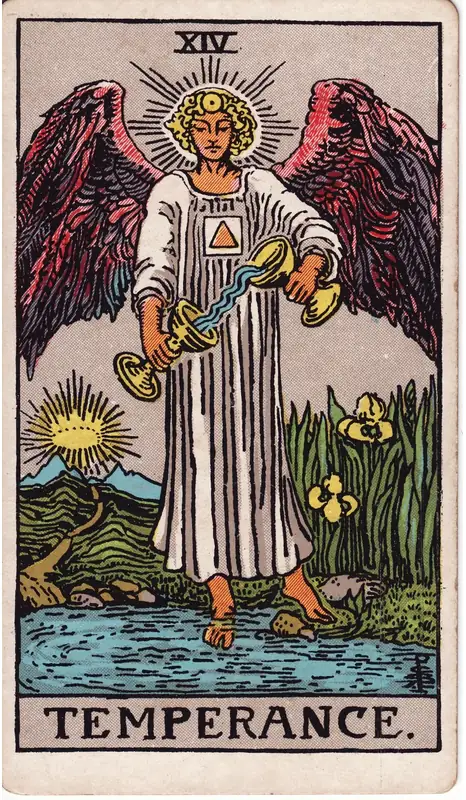 Temperance
14
Temperance
14
-
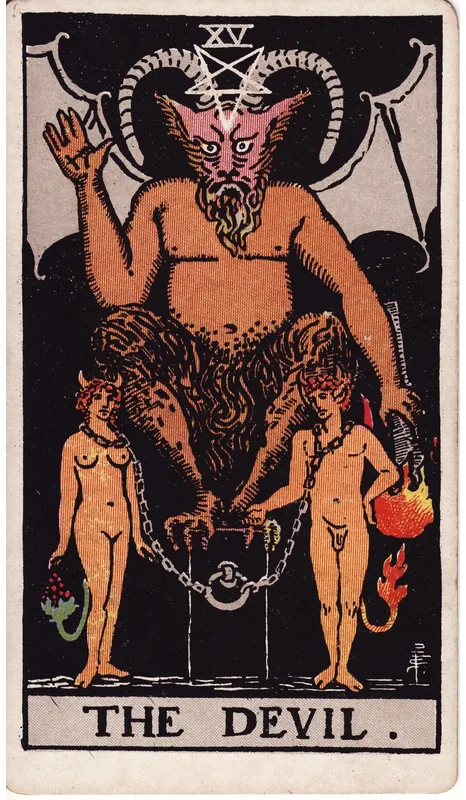 The Devil
15
The Devil
15
-
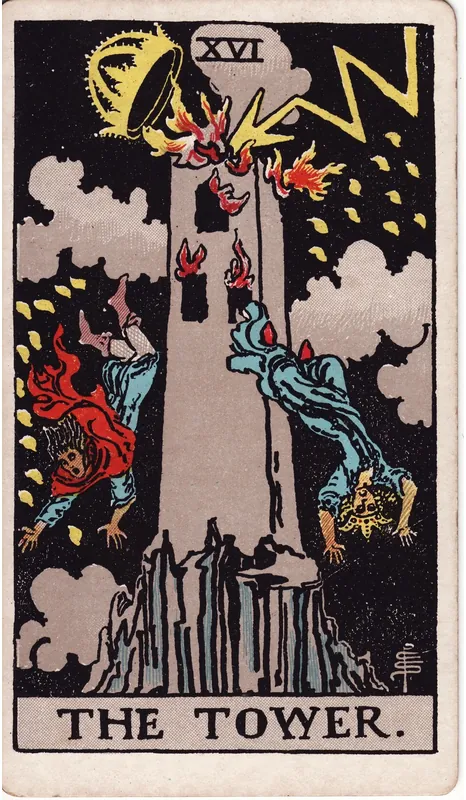 The Tower
16
The Tower
16
-
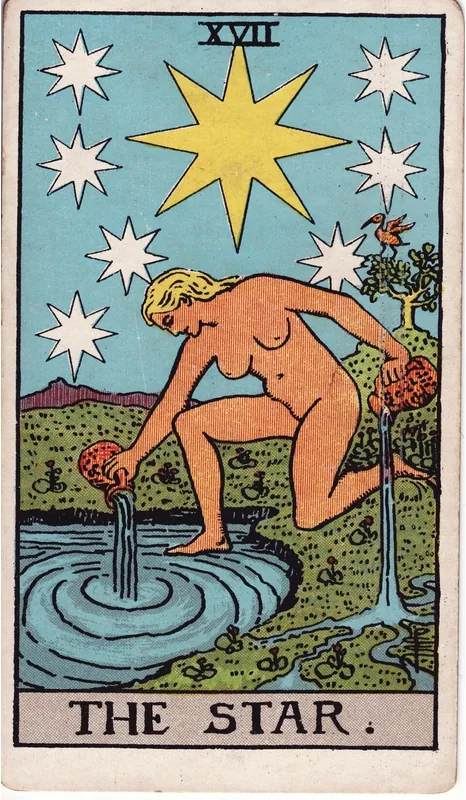 The Star
17
The Star
17
-
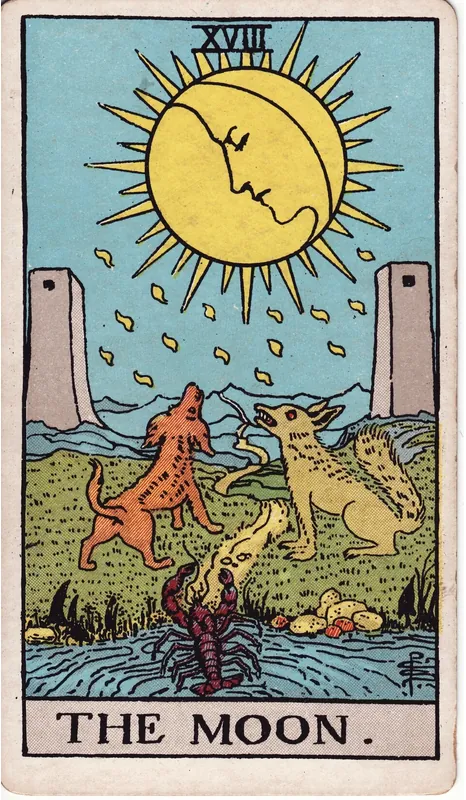 The Moon
18
The Moon
18
-
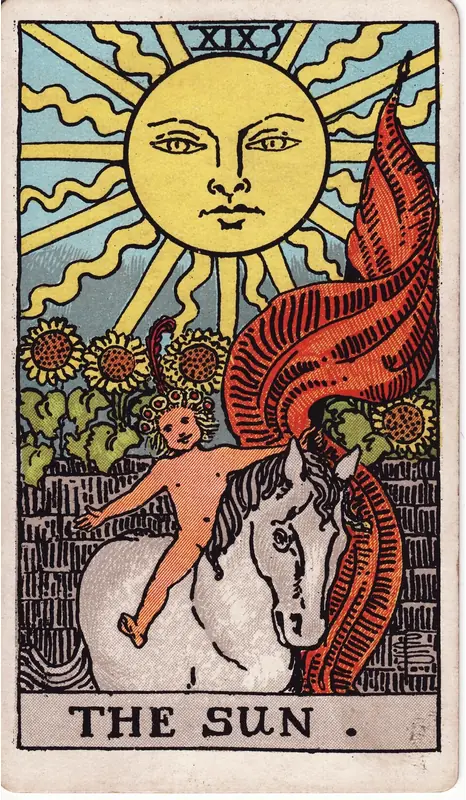 The Sun
19
The Sun
19
-
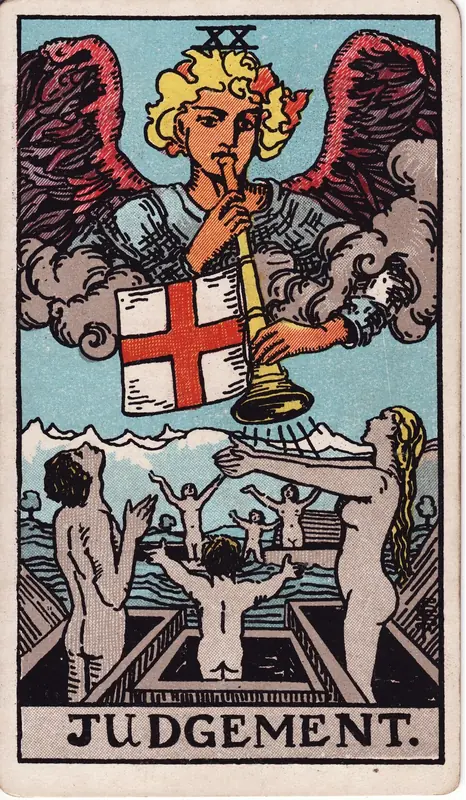 Judgement
20
Judgement
20
-
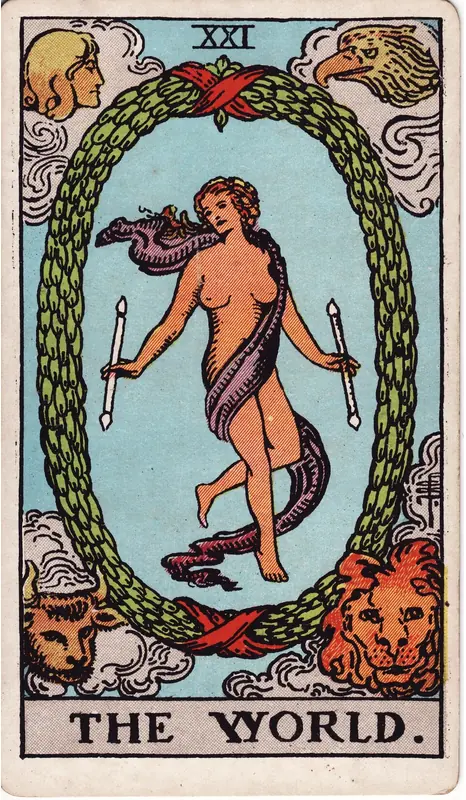 The World
21
The World
21
For entertainment purposes only. Tarot readings are not a substitute for professional medical, financial, legal, or psychological advice.