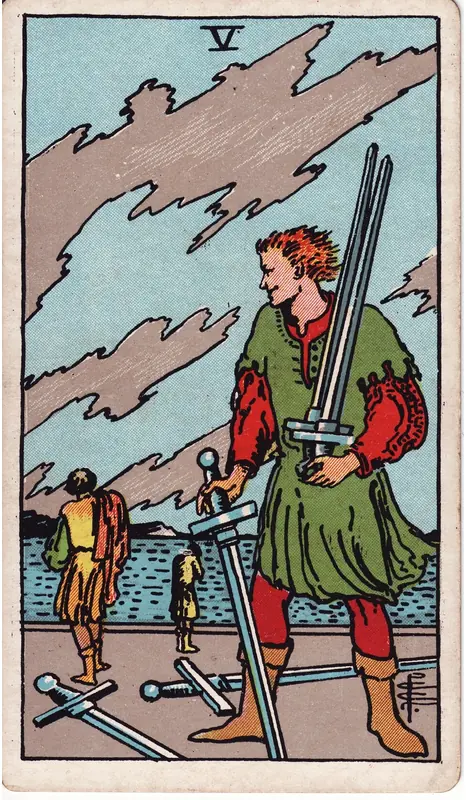
On the Rider-Waite-Smith card, a man gathers up swords with a smirk while two other figures walk away from him, shoulders slumped, heads down. He holds three of the five blades, two propped against his shoulder and one in his hand, and the remaining two lie on the ground behind him, unclaimed. The sky is torn with ragged clouds. He has clearly won, holding most of the swords, but the cost is written in the backs of the people leaving.
That's the Five of Swords. In the suit of Air, fives bring conflict, and this one is the hollow victory: winning the argument but losing something that mattered more. It's about tension, ego, and the moment a battle is technically won at a price that outweighs the prize. When it appears, it poses a pointed question: is this fight actually worth what it's costing you?
At a glance
The core facts on the Five of Swords are below, then unpacked in the sections that follow. The image holds both a winner and the walking-away losers, and the card leaves it open which one you are.
- Arcana
- Minor Arcana
- Suit
- Swords
- Number
- 5
- Element
- Air
- Upright
- conflict, winning at a cost, tension, defeat
- Reversed
- reconciliation, making amends, releasing conflict, lingering resentment
There's a win that costs more than it gives, so this card leans no.
Five of Swords upright meaning
Upright, the Five of Swords is about conflict and the cost of winning it. Someone has come out on top, but the victory feels empty, ties were burned, trust was spent, and being right turned out to cost more than being wrong would have. The two blades left lying on the ground say it plainly: even in winning, something is being left behind and not counted. The card often shows up around arguments driven by ego, where the goal shifted from resolving things to simply winning.
Read against yourself, it's a check: are you paying too high a price to be right? Read as a warning about others, it can flag a situation where someone will win at your expense, and the wise move is to disengage rather than feed it. Either way, the card counsels choosing your battles. Some fights aren't worth having even when you'd win them, and walking away can be the stronger move. The invitation is to weigh what a victory actually buys before you spend everything to claim it.
Five of Swords reversed meaning
Reversed, the Five of Swords tends to point toward repair. The fight is winding down, and there's an opening to make amends, apologize, or let a grievance go so the tension can finally clear. This is the card's constructive turn: choosing reconciliation over the hollow win, deciding the relationship matters more than the point.
It can also mark the difficulty of getting there. Sometimes reversed shows lingering resentment, a conflict that's technically over but still smouldering, or a reluctance to be the first to extend a hand. If that's the read, the card nudges you to set down what you're still clutching; the old grievance can cost more than admitting it's finished would.
The useful way to hold upright against reversed is as a change of direction. Upright, the energy is still pouring into the fight, sharpening the point and keeping score; reversed, that same energy is trying to drain back out, either cleanly through an apology or slowly as resentment cools. That direction also shifts with the company the card keeps: drawn beside a warm connection card such as the Two of Cups, the reversal leans toward two people genuinely making up, while beside the Tower it can read as a clash that finally breaks something open. Nothing about the reversal guarantees the drain is finished, only that it has started.
Five of Swords FAQ
What does the Five of Swords mean in a conflict?
It asks whether the fight is worth what it costs you. The card shows a figure who has won the swords but driven the others away, a hollow victory. In a conflict it often means being right isn't the same as coming out ahead. The card's counsel is to pick your battles and weigh the relationship against the point you're trying to win.
Is the Five of Swords about me losing or winning?
It can be either, which is the point. The card holds a winner and two who walk away defeated, and it doesn't tell you which one you are. Sometimes you're paying too high a price for a win; sometimes you're the one who needs to let a losing fight go. Both readings point to the same lesson: not every battle is worth finishing.
What does the Five of Swords reversed mean?
Reversed, the card's energy tends to move away from the fight rather than into it. Readers often take it as reconciliation, making amends, or setting down a grievance. A second, less comfortable reading is a conflict that's technically over while resentment still smoulders, because no one wants to be first to let go. The reversal points less to a fixed outcome than to a question: are you ready to close the fight out, or still quietly feeding it?
Is the Five of Swords reversed a good sign for love?
It can be. In a relationship it often reads as apologizing, meeting halfway, and choosing the bond over the argument, which is why some readers call it the making-up card. It's worth holding lightly, though, because the same reversal can show old resentment that hasn't cleared. The card raises the question of whether the making-up is real or only surface-level, rather than promising which.
Does the Five of Swords reversed mean the conflict is fully over?
Not necessarily, and that's a common misread. Reversed is sometimes taken to mean everyone has healed and moved on, but it can equally mark the awkward middle, the fight settled on paper while the feeling is still raw, or one person letting go while the other hasn't. Treat it as an invitation to close the loop honestly rather than as proof the loop is already closed.
Love, career & money
In love, upright the Five of Swords can mark a period of arguments where winning has replaced understanding, or a dynamic where one person keeps score. It asks whether being right is worth the distance it creates. Reversed, it leans toward making up, apologizing, and choosing the relationship over the point, though if resentment lingers, it raises the question of whether the same argument will keep resurfacing until it's aired honestly.
In career, this card can signal office politics, a win that alienates colleagues, or a competitive streak that's costing you goodwill. It invites you to weigh the relationship capital against the victory. Reversed, it can point to mending a professional rift or stepping out of a fight that isn't yours.
Around money, upright the Five of Swords can reflect a financial dispute where the fight itself is costing more than the sum in question, and it asks you to count the full cost, including time and goodwill, before you dig in. Reversed, it turns that same question inward: has pursuing the point outgrown what's actually at stake? The card raises the question rather than answering it; any real financial or legal decision belongs with a qualified professional. This is reflection for entertainment, not financial advice.
Pull a free 3-card tarot reading to see how Five of Swords speaks to your own question, then explore related cards: Four of Swords, Seven of Swords and The Tower.
All 14 Swords cards
-
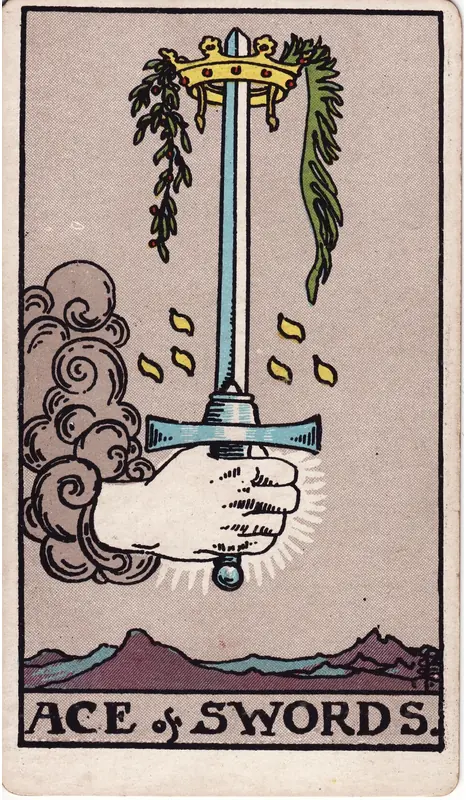 Ace of Swords
A
Ace of Swords
A
-
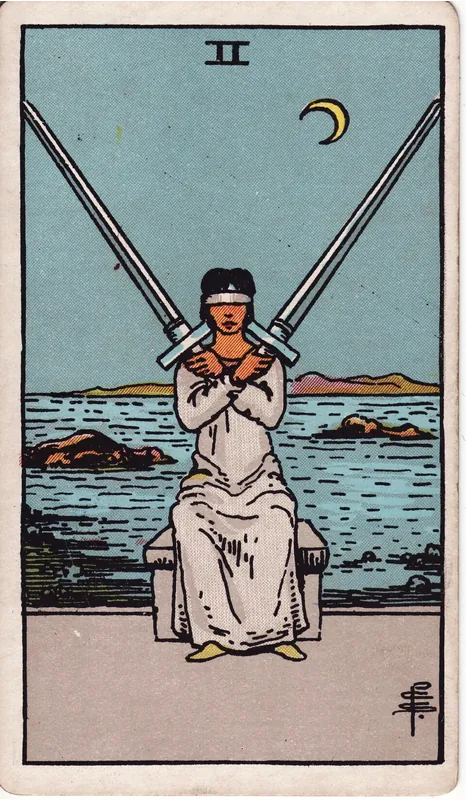 Two of Swords
2
Two of Swords
2
-
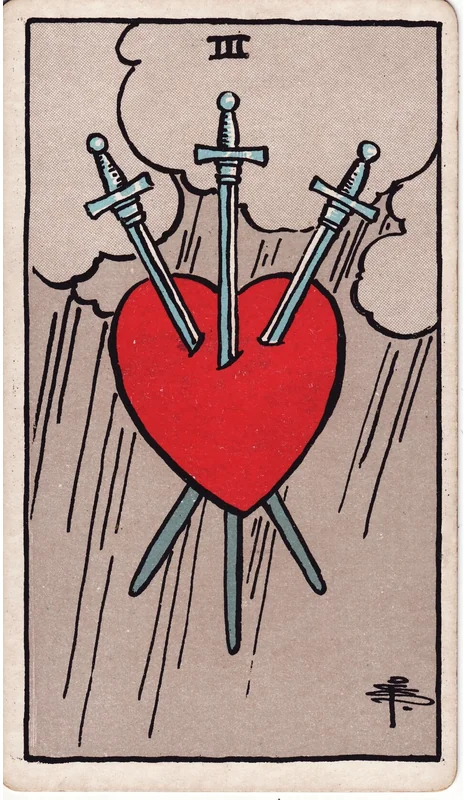 Three of Swords
3
Three of Swords
3
-
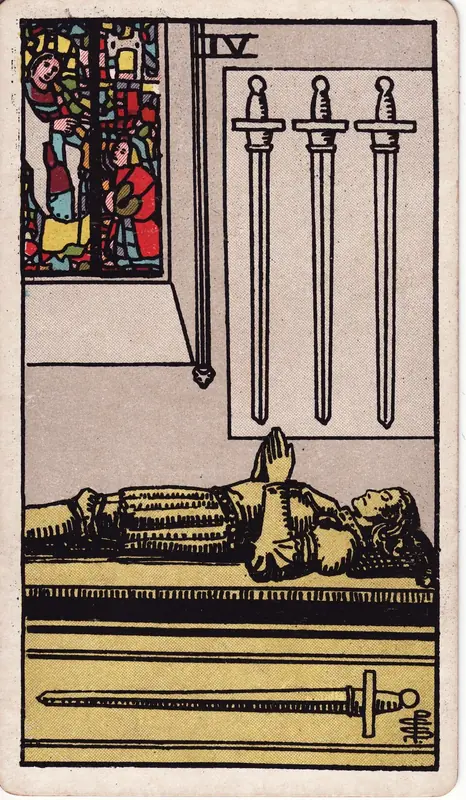 Four of Swords
4
Four of Swords
4
-
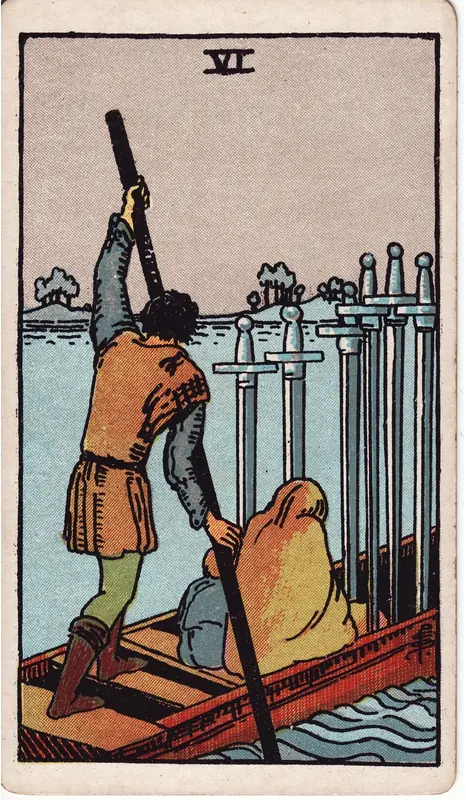 Six of Swords
6
Six of Swords
6
-
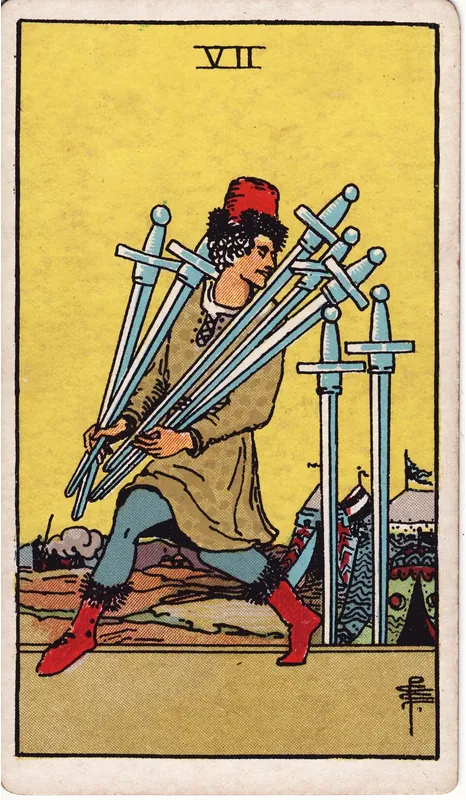 Seven of Swords
7
Seven of Swords
7
-
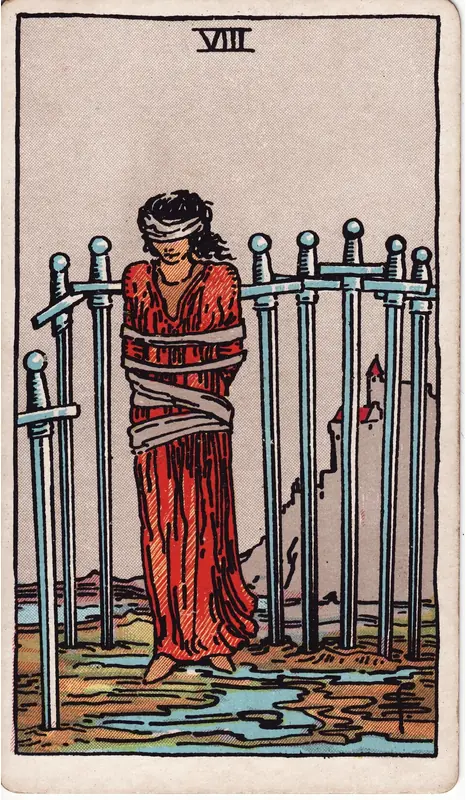 Eight of Swords
8
Eight of Swords
8
-
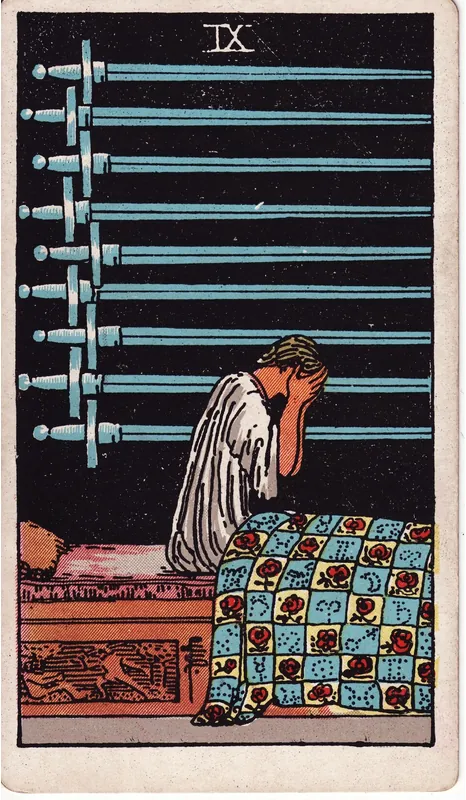 Nine of Swords
9
Nine of Swords
9
-
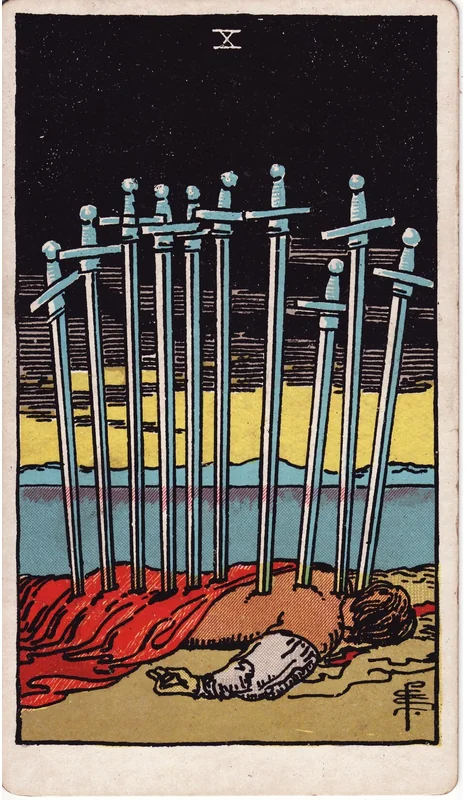 Ten of Swords
10
Ten of Swords
10
-
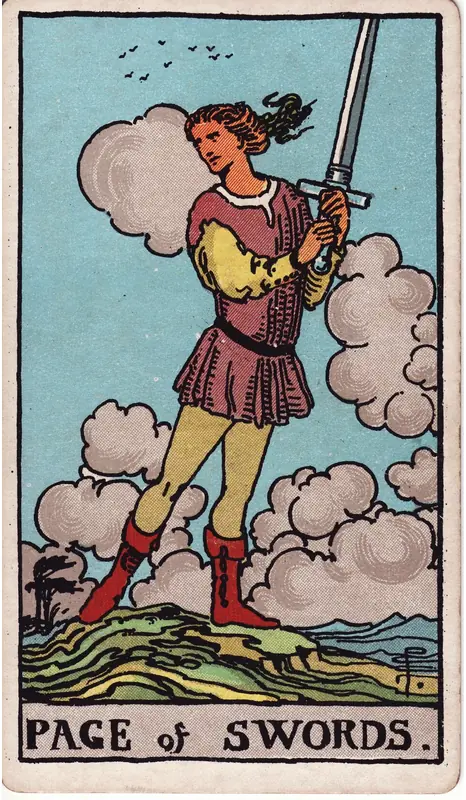 Page of Swords
Pg
Page of Swords
Pg
-
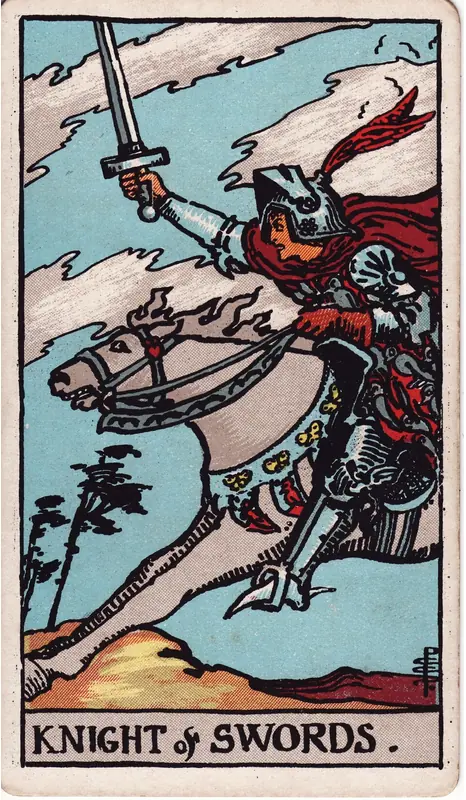 Knight of Swords
Kn
Knight of Swords
Kn
-
 Queen of Swords
Qn
Queen of Swords
Qn
-
 King of Swords
Kg
King of Swords
Kg
Looking for another suit? Browse all 78 tarot card meanings.
For entertainment purposes only. Tarot readings are not a substitute for professional medical, financial, legal, or psychological advice.