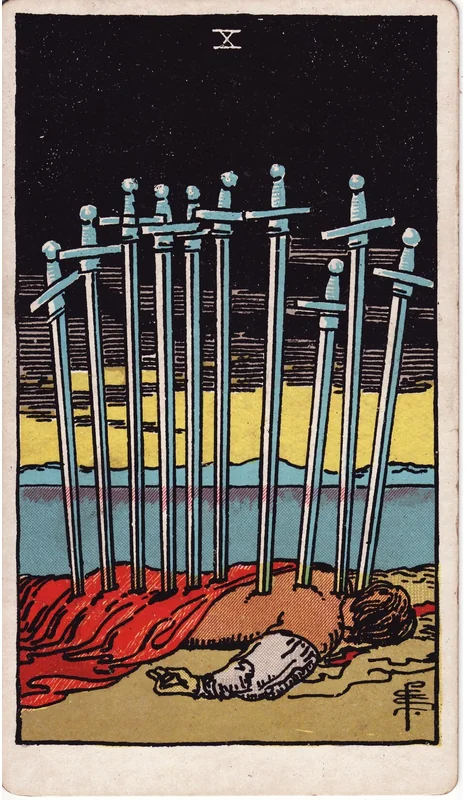
On the Rider-Waite-Smith card, a figure lies face down on the ground with ten swords in his back, under a sky black as night. It's the most dramatic image of defeat in the deck, and there's no dressing up how final it looks. But raise your eyes to the horizon: a band of gold is breaking there, dawn arriving over calm water. The night is at its darkest exactly where the light is about to return.
That's the Ten of Swords. In the suit of Air, it's the card of the painful ending, rock bottom, the moment something is decisively, unmistakably over. It has a fearsome look, and it doesn't soften the fact that a hard chapter has closed. But the dawn built into the card is the whole point: when you've hit the bottom, there's nowhere to go but up. When it appears, the worst has already happened, which means it's behind you now.
At a glance
The core facts on the Ten of Swords are below, then unpacked in the sections that follow. As grim as the picture looks, the golden dawn on the horizon is deliberate: this is the end of a hard chapter and the turn toward recovery, not endless ruin.
- Arcana
- Minor Arcana
- Suit
- Swords
- Number
- 10
- Element
- Air
- Upright
- painful ending, rock bottom, betrayal, the worst is over
- Reversed
- recovery, survival, dread of a repeat, slow healing
A hard ending has run its course, so as a straight answer it leans no.
Ten of Swords upright meaning
Upright, the Ten of Swords marks a definitive ending, often a painful one. Something has run its full course, sometimes with a sting of betrayal or a sense of being brought low, and there's no partial version of it, the card is emphatic that this chapter is finished. Trying to revive what the ten swords have ended only prolongs the hurt. The honest move is to accept that it's over.
The gift hidden in that harshness is finality. Because the situation has bottomed out completely, there's nothing left to dread from it, the fear the Nine of Swords carried has already come and gone. That's why the dawn is rising: rock bottom is solid ground to push up from. The invitation is to stop fighting the ending, let it be over, and turn toward the light that's already breaking. What felt like the worst thing is often the clean break that finally lets a new day begin.
Ten of Swords reversed meaning
Reversed, the Ten of Swords usually points to recovery and survival. You're getting back up after being knocked flat, the crisis has passed, and healing, however slow, is underway. This is the card of resilience: proof that you endured the worst and are still here, beginning to rise. The dawn the upright card promised is now actually arriving.
Sometimes the reversal carries a note of dread about a repeat, a reluctance to fully trust that the bad chapter is really finished, or a healing that's dragging because you keep bracing for it to happen again. If that's the read, the card's reassurance is that the ten swords have already fallen; lightning of this kind doesn't need to strike twice. Let the recovery happen. Reversed, the momentum is toward getting up, dusting off, and trusting that the worst is genuinely behind you.
Love, career & money
In love, upright the Ten of Swords can mark the clear end of a relationship or a painful chapter within one, something that's truly over rather than fixable. As hard as it lands, the finality lets you begin to heal. Reversed, you're recovering from that ending, slowly rebuilding and rediscovering that you're okay.
In career, this card can signal a role, project, or situation that has decisively collapsed, a layoff, a failed venture, a door firmly shut. Accepting the ending frees you to start fresh. Reversed, you're getting back on your feet after a professional setback.
Around money, upright the Ten of Swords can mark the bottom of a difficult financial stretch, the point where the worst has already happened and recovery can begin. Reversed, you're climbing back up. This is reflection for entertainment, not financial advice.
Ten of Swords FAQ
Is the Ten of Swords the worst card in the tarot?
It looks the most dramatic, but it isn't the worst. The image is grim on purpose, yet a golden dawn is breaking on the horizon behind the figure. That's the real message: this is rock bottom, and rock bottom means the only way left is up. The card marks the end of a bad chapter, not an ongoing doom.
What is the difference between the Nine and Ten of Swords?
The Nine of Swords is the fear of something before it happens, the anxious, sleepless dread. The Ten of Swords is after: the hard thing has already run its course and there's nothing left to fear from it. That's why the Ten, grim as it looks, often brings relief. The worst is behind you, and the dawn is coming up.
Pull a free 3-card tarot reading to see how Ten of Swords speaks to your own question, then explore related cards: Nine of Swords, Ace of Swords and Death.
All 14 Swords cards
-
 Ace of Swords
A
Ace of Swords
A
-
 Two of Swords
2
Two of Swords
2
-
 Three of Swords
3
Three of Swords
3
-
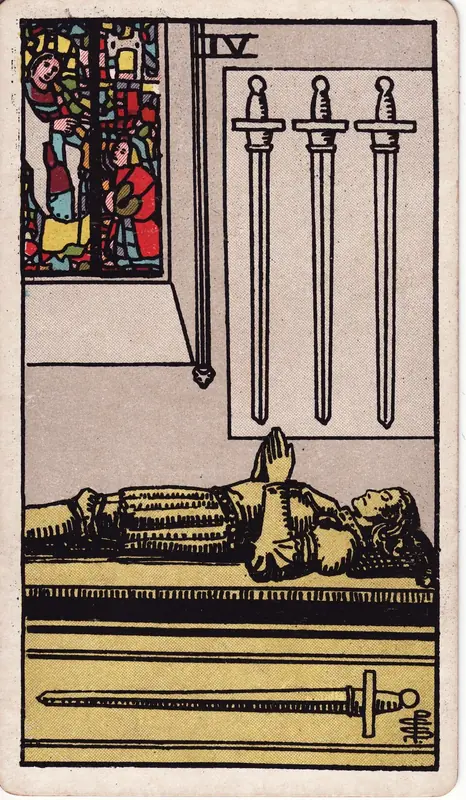 Four of Swords
4
Four of Swords
4
-
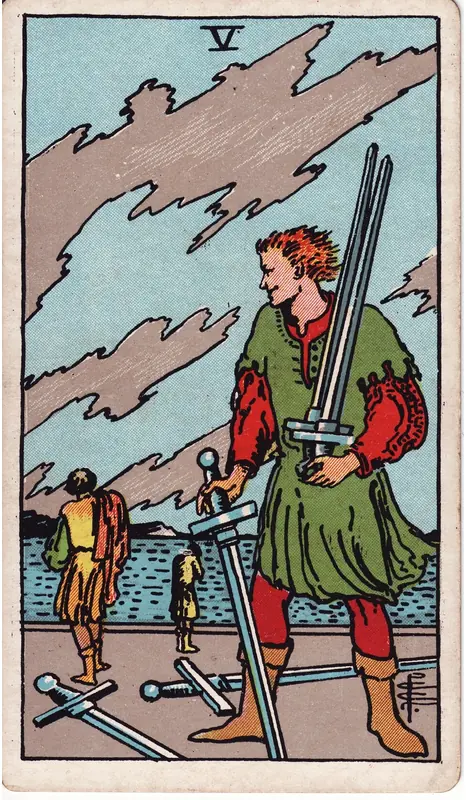 Five of Swords
5
Five of Swords
5
-
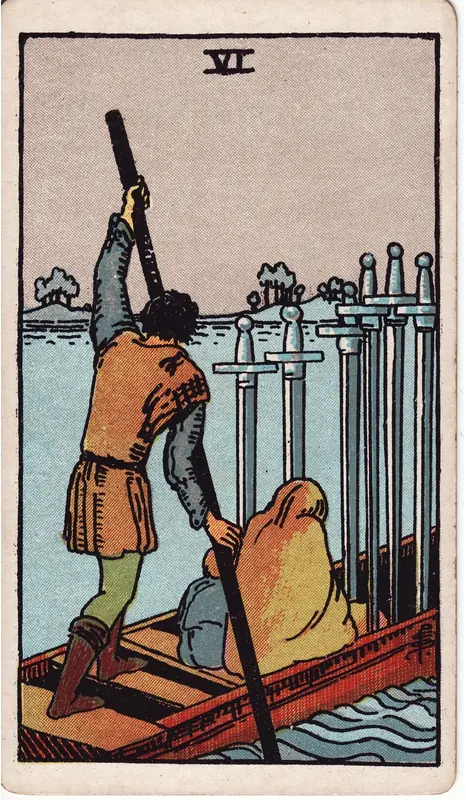 Six of Swords
6
Six of Swords
6
-
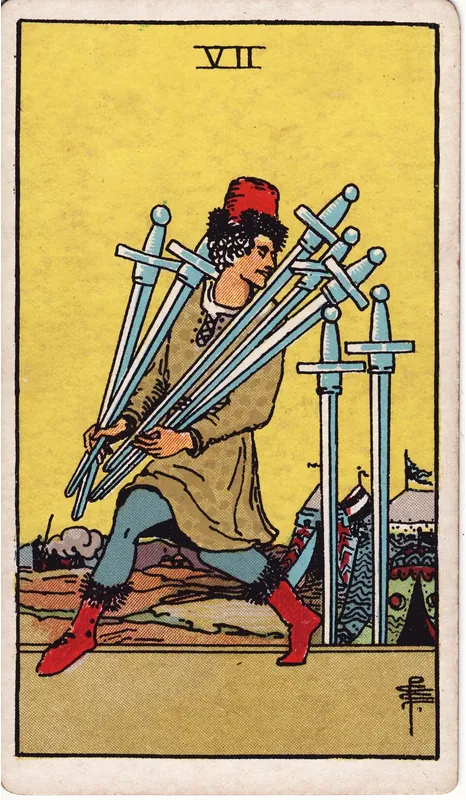 Seven of Swords
7
Seven of Swords
7
-
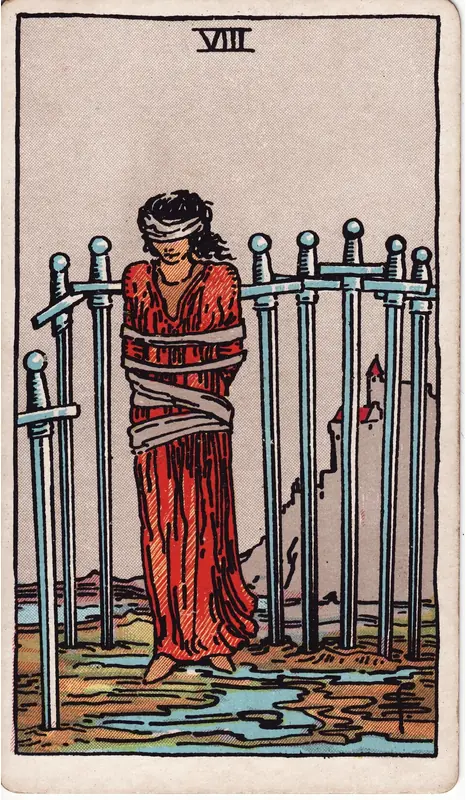 Eight of Swords
8
Eight of Swords
8
-
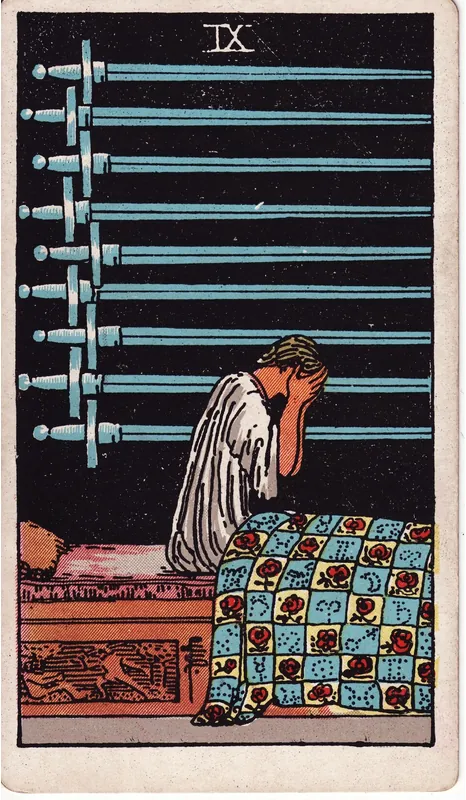 Nine of Swords
9
Nine of Swords
9
-
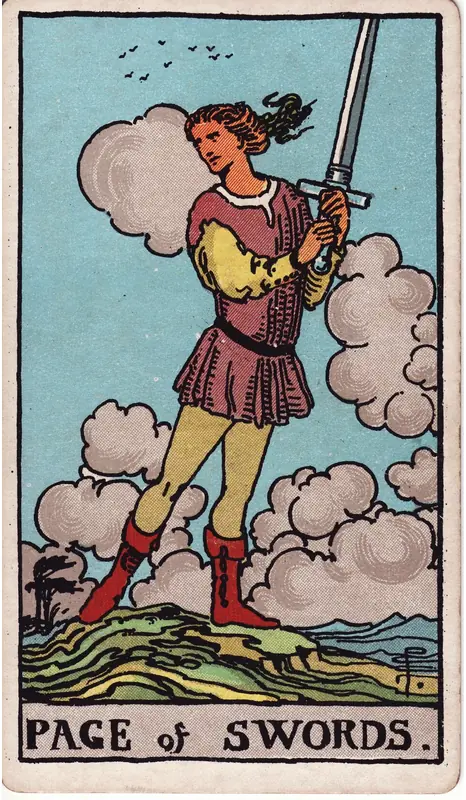 Page of Swords
Pg
Page of Swords
Pg
-
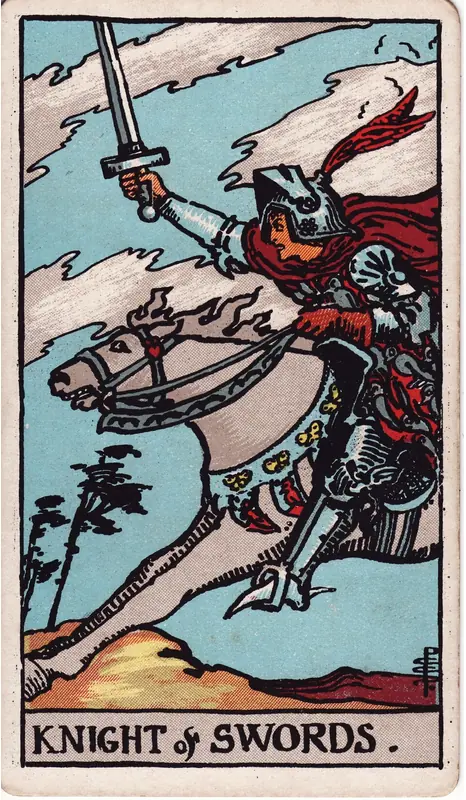 Knight of Swords
Kn
Knight of Swords
Kn
-
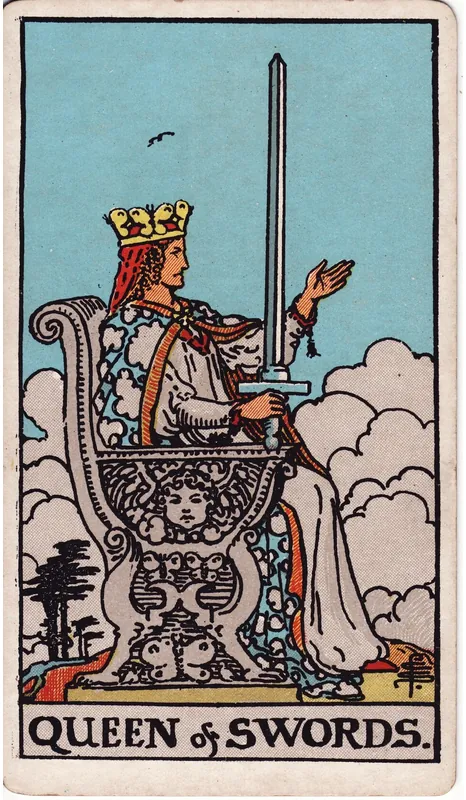 Queen of Swords
Qn
Queen of Swords
Qn
-
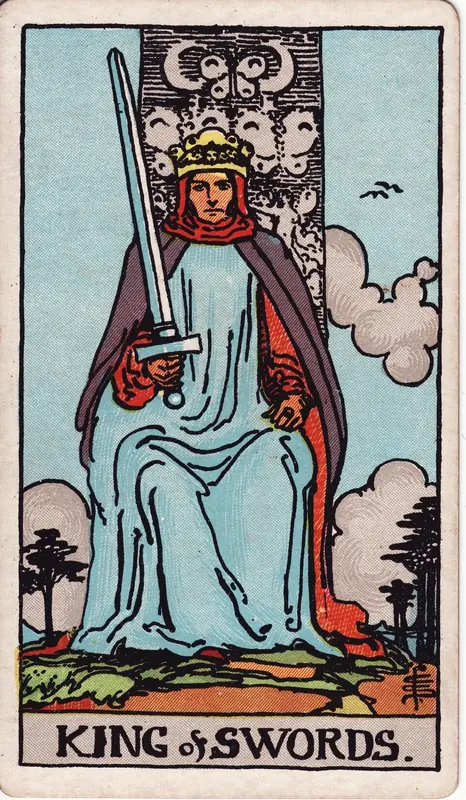 King of Swords
Kg
King of Swords
Kg
Looking for another suit? Browse all 78 tarot card meanings.
For entertainment purposes only. Tarot readings are not a substitute for professional medical, financial, legal, or psychological advice.