You know the move. The boss walks the floor, and your hand snaps to the mouse — minimize, minimize — and suddenly you're staring at a spreadsheet you weren't reading. For thirty years, Solitaire was the universal symbol of looking busy. It was on every office PC, every library computer, every beige tower your uncle owned. Nobody installed it. It was just there, like the wallpaper and the clock.
Which raises a question almost nobody stops to ask: why? Why did the biggest software company on earth ship a free card game with the operating system that ran banks and governments and air traffic control?
The answer is the best-kept secret in computing history. It was never about the game.
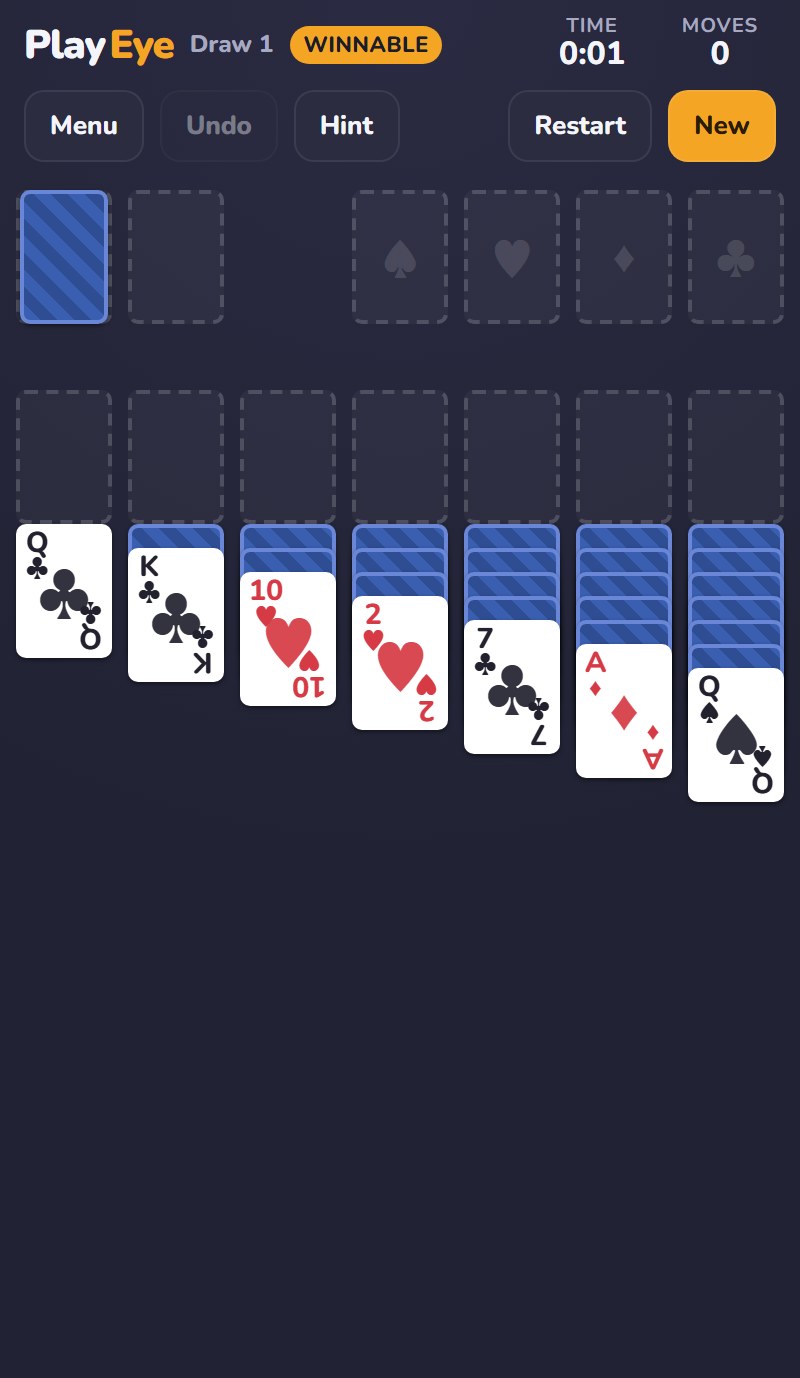
Short answer: Solitaire shipped on Windows 3.0 in 1990 as a stealth tutorial — a fun, low-stakes way to teach millions of nervous new users how to use a mouse. Dragging cards taught drag-and-drop. Clicking the deck taught clicking. Microsoft disguised a training program as a card game, and it worked so well nobody noticed they were being taught anything.
The problem in 1990: nobody knew how to use a mouse
It's hard to picture now, but in 1990 the mouse was a genuinely strange object. For a decade, "using a computer" meant typing commands at a blinking C:\> prompt. You told the machine what to do in words. You did not point at things. You did not drag anything.
Then Microsoft bet the company on Windows 3.0 — a graphical interface where everything depended on a small plastic puck most people had never touched. Click once. Click twice, fast. Click and hold while you move, then let go at exactly the right spot. To a generation raised on keyboards, the click-and-drag was an alien gesture, and a fumbled one was embarrassing. People were intimidated. A scared user is a user who returns the computer.
Microsoft needed to teach the whole world a new physical skill, painlessly, without a single instruction manual. The instruction manual nobody reads is the worst tutorial ever built. So they built one nobody could resist.
Enter the summer intern
The most-distributed piece of training software in human history was written by a 22-year-old intern, for fun, on a deadline of nobody.
In the summer of 1988, a Microsoft intern named Wes Cherry wrote a Klondike Solitaire program. It wasn't an assignment. He just liked the game. The version Microsoft eventually shipped was his — polished up, with a card deck designed by Susan Kare, the legendary artist who'd drawn the original Macintosh icons (yes, the same person who made the smiling Mac and the trash can also drew the card backs you stared at for a decade).
Then management saw it and realized what they were holding. A game where the entire interaction was dragging objects from one place to another, clicking a pile to flip cards, double-clicking to send a card home. It wasn't a game with a tutorial bolted on. It was the tutorial. You couldn't play it without learning every core mouse skill the new Windows demanded — and you'd do it for hours, voluntarily, grinning.
Here's the punchline, and it stings: Cherry was an intern, so the work belonged to Microsoft. He never saw a cent of royalties from the most-played computer game ever made. In interviews he's joked that a few people have pressed a penny into his hand over the years as a gag. Last he counted, he was up to about eight cents. For teaching the planet to use a mouse.
Minesweeper taught the other button
If Solitaire was the left-click university, Minesweeper was the graduate seminar in everything else.
Minesweeper hit the standard Windows install with Windows 3.1 in 1992 (after an earlier life in the Microsoft Entertainment Pack), and it was teaching a harder lesson. The mouse had two buttons, and the right one was a mystery to almost everyone. What did it even do?
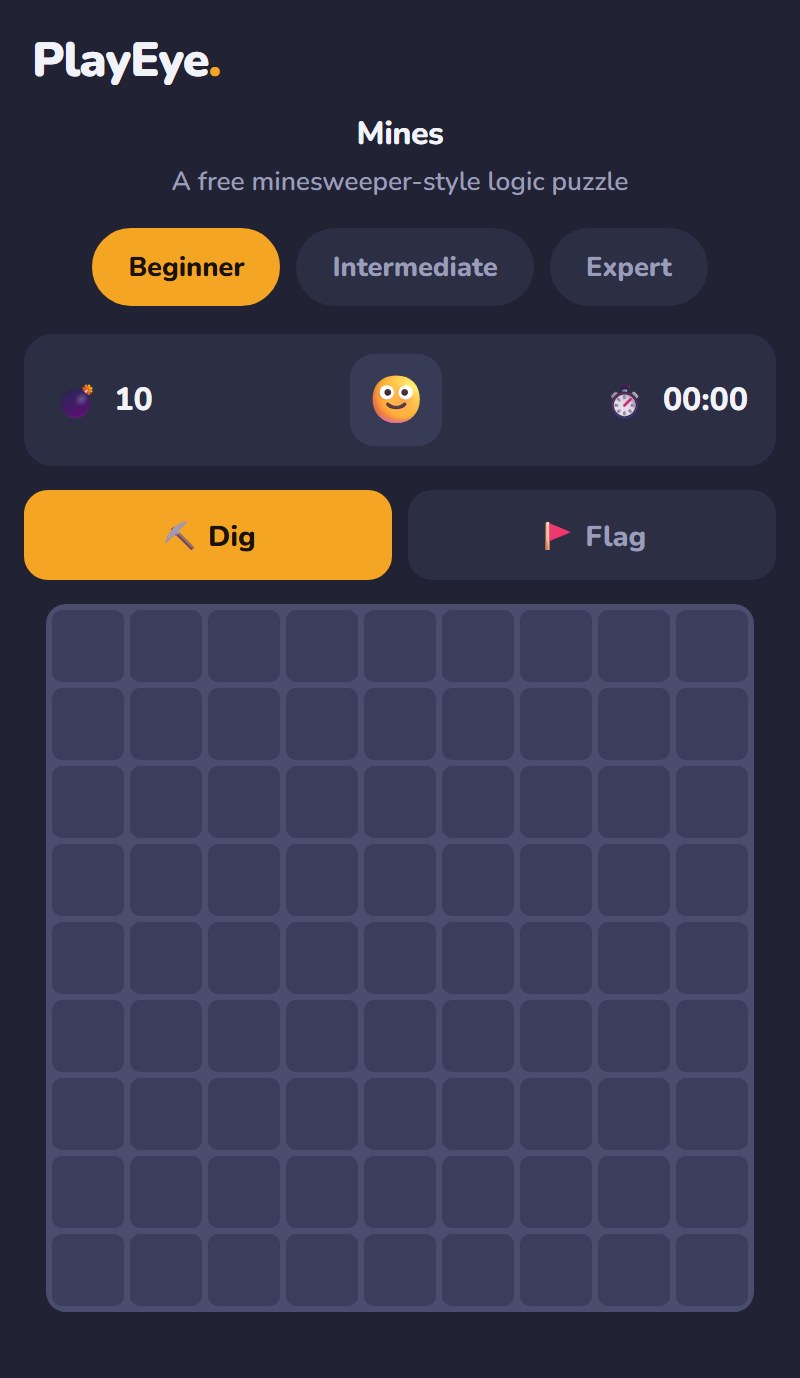
Minesweeper answered with a game you physically could not play without both. Left-click to reveal a square. Right-click to plant a flag. The whole loop drilled the distinction into your fingers: left reveals, right marks, and you'd better be precise — a sloppy click on the wrong square ends the run in a puff of smoke. Single-clicking, right-clicking, and pinpoint accuracy, taught through forty minutes of held breath and the occasional curse. By the time you could clear Expert, you had hands that could fly across any Windows menu in the building.
FreeCell was a lie detector for your operating system
This one's the deepest cut, because FreeCell wasn't even pretending to be only a game.
When Microsoft rolled out the 32-bit Win32s compatibility layer for Windows 3.1, they needed a way to confirm it had installed correctly on a given machine. So they shipped FreeCell as a quiet diagnostic. The game was built on that 32-bit "thunking" layer. If the layer was working, FreeCell ran. If the layer was broken, FreeCell wouldn't launch — and you'd just discovered your install was busted without reading a single error log.
Millions of people played FreeCell to kill an afternoon. A handful of engineers shipped it to make sure the plumbing didn't leak. Both were right. The game worked on you while you worked on it.
So how did a tutorial become the most-played game on Earth?
Because the disguise was too good. The tutorial never told you it was a tutorial — so you never graduated and walked away. You just kept playing.
Microsoft's own telemetry has placed Solitaire among the three most-used programs in all of Windows — sitting up there with the tools people were paid to open. It's been called the most prolific PC game of all time, purely because it rode along on the operating system that ate the world. No marketing. No store page. No download. It was simply there, on hundreds of millions of machines, every single time the computer turned on.
The training wheels had become the bike.
The day Microsoft took it away
In 2012, Windows 8 shipped without them. No Solitaire. No Minesweeper. For the first time in over two decades, you booted a new Windows PC and the cards were gone.
The backlash was immediate and genuinely emotional — and it came loudest from the people the games were built for. Office workers. Retirees. The folks for whom Solitaire wasn't a game, it was the game, the one free, friction-free pleasure that came with the machine. Microsoft pushed the games to its Store instead, now wrapped in ads and optional subscriptions. The thing that had always just been there now wanted your attention and, occasionally, your money.
The mouse tutorial had done its job decades ago. Everyone already knew how to click. But it turned out people never wanted the lesson — they wanted the game. And when it vanished, they noticed.
Where the cards live now
Here's the quiet irony to end on. The tutorial's mission ended the day the world learned to click. But the game it hid inside never needed a mission to survive — it just needed to exist somewhere you could reach it.
So we put it back where it belongs: one tab away, no install, no ads pestering you, no Store account, no subscription. The same drag, the same click, the same held breath over a wrong square — minus everything that got bolted on later.
The mouse tutorial finished its job a long time ago. The game it smuggled in is still here, and you can pick up exactly where your old office PC left off — Klondike Solitaire and Mines, right in your browser. The training wheels came off years ago. The ride was always the point.
FAQ
Who created Windows Solitaire?
A Microsoft summer intern named Wes Cherry wrote it in 1988, originally just for fun. Because interns don't own their work, the company kept it — and Cherry never received royalties on what became the most-played computer game in history. The iconic card-back art was designed by Susan Kare, the same artist behind the original Macintosh icons.
Why did Windows include Minesweeper?
To teach the mouse's right button. In the early '90s, right-clicking was an unfamiliar gesture, and Minesweeper (bundled with Windows 3.1 in 1992) was built around it: left-click to reveal, right-click to flag. You couldn't play without mastering both buttons and clicking precisely — which was exactly the point.
Was Solitaire really just a mouse tutorial?
Largely, yes. Microsoft has acknowledged Solitaire helped familiarize intimidated new users with the mouse — especially the drag-and-drop motion needed to move cards — during the shift to the graphical Windows 3.0 in 1990. It was designed to be fun so people would actually do it, but the underlying job was teaching a new physical skill.
Is Solitaire still on Windows?
Not bundled the old way. Windows 8 removed the pre-installed classics in 2012, and they later returned as the ad-supported Microsoft Solitaire Collection from the Store. The free, no-friction experience most people remember now lives best in the browser — which is exactly why we rebuilt Klondike Solitaire and Mines to play instantly, no install required.
Curious how the cards actually behave? We solved 1,530 deals to find out what percentage of Solitaire games are winnable. And if Minesweeper's the one that hooked you, here's the 1-1, 1-2, and 2-2 patterns that crack most boards.